Myth of Meritocracy
Matilda Effect, a term coined by Margaret Rossiter, refers to bias against acknowledging the achievements of women scientists and inventors whose work is attributed to their male colleagues.
I am a cisgender man. I do not speak for women or marginalized genders.
I am a designer and human who witnessed centuries of patterns in the data—patterns of denial, theft, exclusion. This project is an attempt to document those patterns with care.
I have tried to decenter myself entirely from the story, and if I have failed in any way and anything feels inaccurate, insensitive, or incomplete—I invite your feedback.
When I refer to 'men' or 'women', I refer to societally categorized roles based on the gender binary, which itself is a flawed construct.
The accepted timeline of human progress
Renaissance
Scientific Revolution & Enlightenment
Industrial Revolution
Digital Age
is taught globally as the canonical story of modern human civilization.
— Based on definitions from Wikipedia’s History of Western civilization, Timelines of Modern History, and Britannica’s History of Science
But, is it really?
“Representation of the world, like the world itself, is the work of
men; they describe it from their own point of view, which they
confuse with absolute truth.”
Let's take a relook at this timeline and see where Women, the other
half of the population were during this time...
Matilda Effect, a term coined by Margaret Rossiter, refers to bias against acknowledging the achievements of women scientists and inventors whose work is attributed to their male colleagues.
Cumulative Nobel awards by gender · 1901–2020
← → year · Home / End jump · Esc returns
Source: NobelPrize.org Peace Prize excluded. Repeat recipients count once per award.
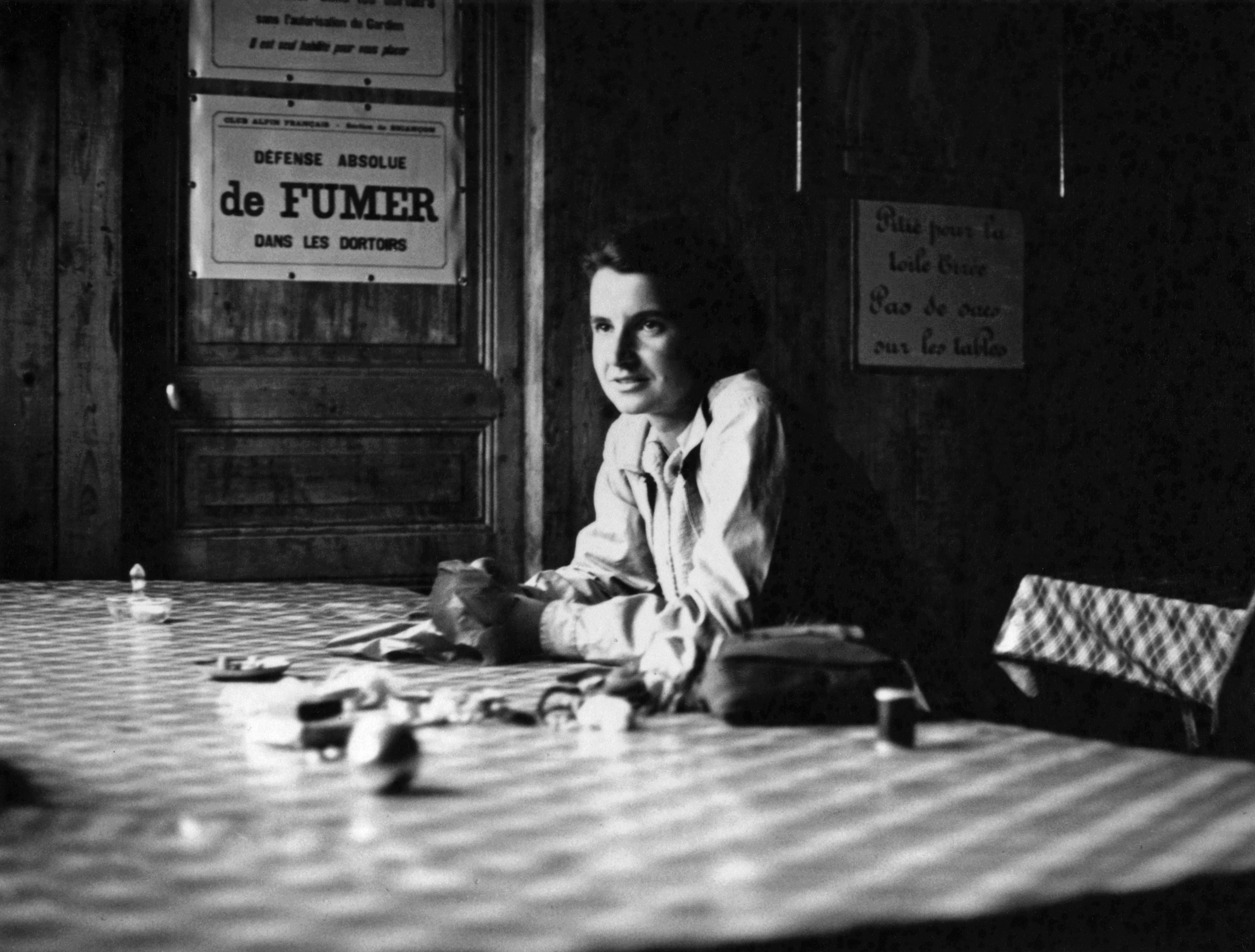
Franklin and Raymond Gosling’s DNA X-ray work, including Photograph 51, provided key evidence for the double-helix model published in 1953. Franklin died in 1958.[1] The 1962 Nobel Prize in Physiology or Medicine went to Watson, Crick, and Wilkins; she did not share in the prize.[2]
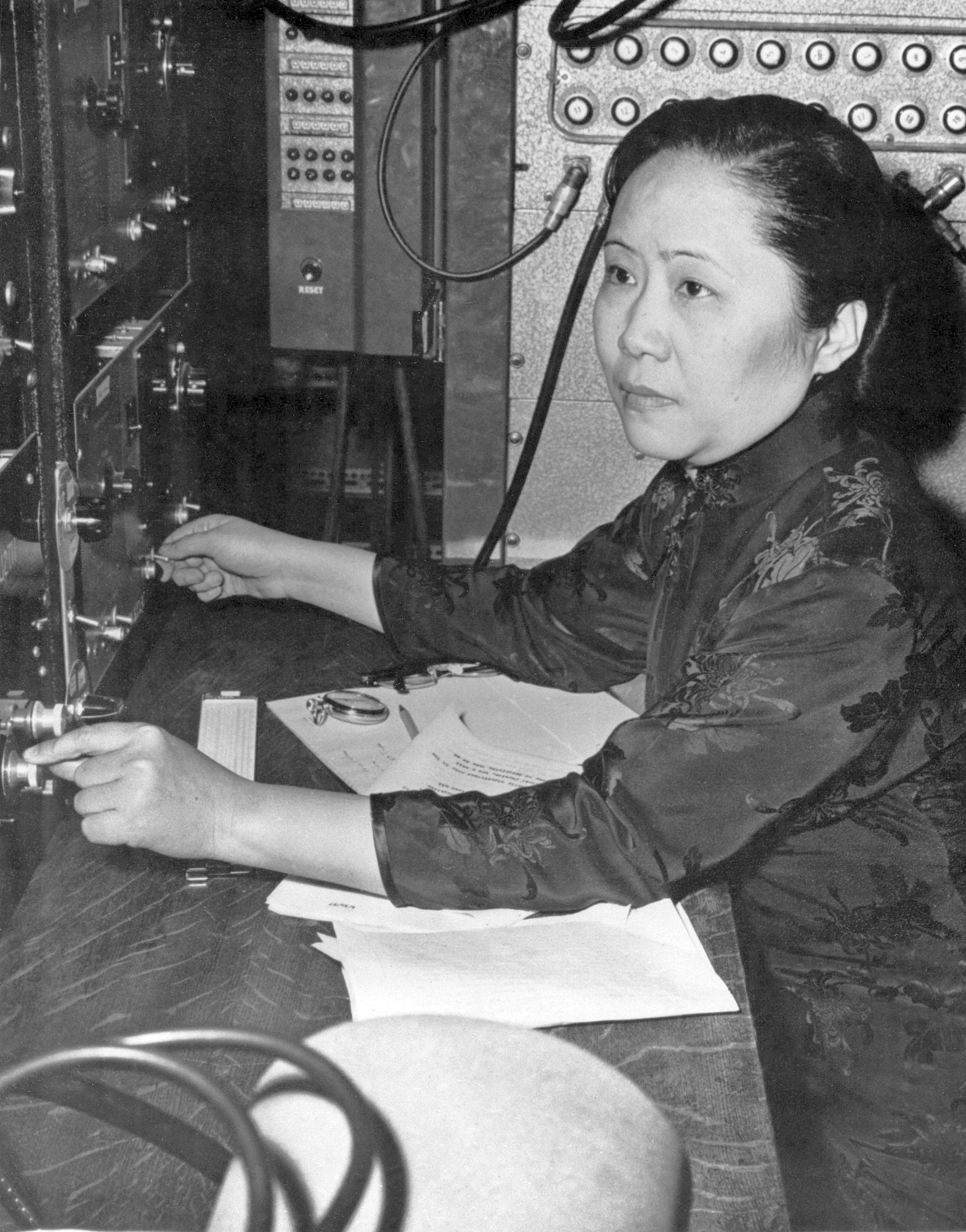
Wu and her National Bureau of Standards colleagues demonstrated parity violation in experiments conducted in late 1956 and published in 1957.[1] The 1957 Nobel Prize in Physics went to Tsung-Dao Lee and Chen-Ning Yang for their theoretical work. Wu and the experimental team did not share the prize.[2]
Women were always there.
They were just written out of the story.
Erasure is not a bug;
it's a feature of a system that defaults to male authority and genius.
The Male Default is not just in our history books. It's in the world around you. The whole world has been designed on the male default.
Safety testing starts with the body chosen to represent us.
The Hybrid III small-female dummy was developed primarily from scaled male data. NHTSA identifies this as the historical basis of the older model used in frontal crash testing.[1]
The newer THOR-05F uses more female data to model body shape and crash response. NHTSA’s 2025 overview describes three times as many sensors as the older small-female dummy.[1]
A 2021 IIHS study of belted drivers in U.S. frontal crashes (1998–2015) found higher female odds of moderate or worse injuries, especially to limbs. Vehicle and crash differences explained much of the wider gap.[2]
The people included in research shape the care that follows.
A 1977 FDA policy recommended excluding women who could become pregnant from early drug trials. In 1993, U.S. law required women’s inclusion in NIH-funded clinical research, strengthening an earlier policy.[1]
In 2013, FDA required lower recommended bedtime zolpidem doses for women after evidence showed slower drug clearance and greater risk of impairment the next morning. The change made sex differences explicit in drug labeling.[2]
Chest pain is the most common heart-attack symptom in both women and men. Women are more likely to report additional symptoms, including nausea and breathlessness; the American Heart Association emphasizes this fuller pattern.[3]
Protection depends on the body inside the equipment.
NIOSH identifies facial dimensions, chest circumference and foot shape as design inputs for PPE. Sizes need to reflect the workers using them, including women and smaller-framed workers.[1]
In a 2021 study of 1,443 healthcare workers at one UK facility, women needed a median of two respirator fit tests to find a fit; men needed one.[2]
NIOSH notes that respirator sizing differs between models. A fit test checks the seal on the individual wearer; selecting by a size label alone cannot establish effective protection.[3]
A device’s dimensions and its software both shape who can use it comfortably.
A 2015 study of 24 adults found that smaller hands covered less of the larger phone’s screen with one thumb. The same relationship was not significant on the smaller phone tested.[1]
A 2017 study of 80 English speakers found YouTube’s automatic captions less accurate for women in its sample, with differences across dialects. It demonstrates why speech systems need testing across varied speakers.[2]
“I measure the progress of a community by the degree
of progress which women have achieved.”